
This issue was prepared by Jakob Feldmann, Lennart Stanze, and Marcus Garrison Manualpillai. It was designed and curated by Santiago Orrego.
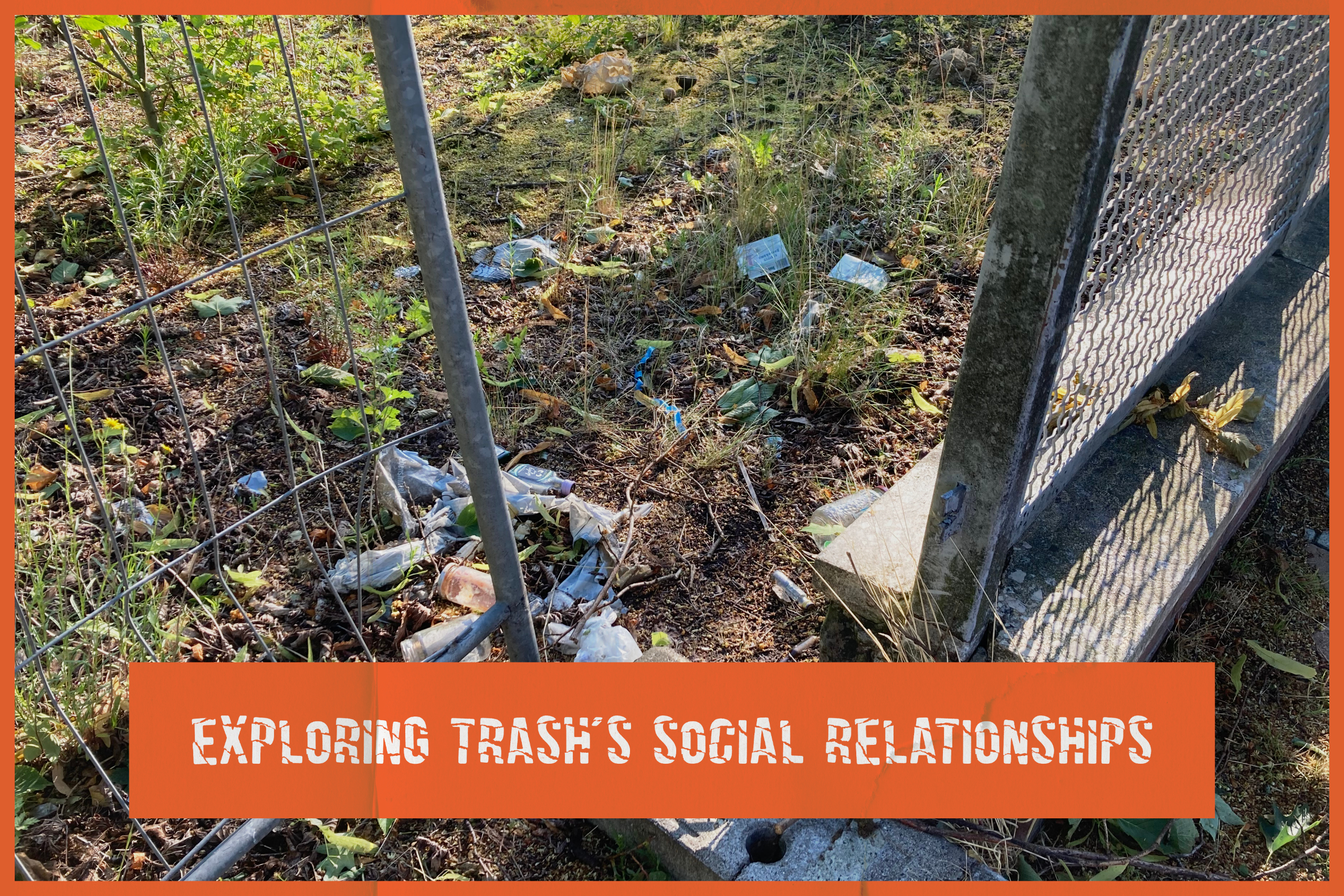
This is a particular number of this project. It is the first publication of Tarde’s educational segment. This initiative aims to involve graduate and undergraduate students in producing small ethnographic field devices to explore and reflect on the seemingly irrelevant and taken-for-granted aspects of urban life. In this edition, we will delve into the small community of Barenburg, focusing on how garbage shapes the daily lives of its inhabitants.
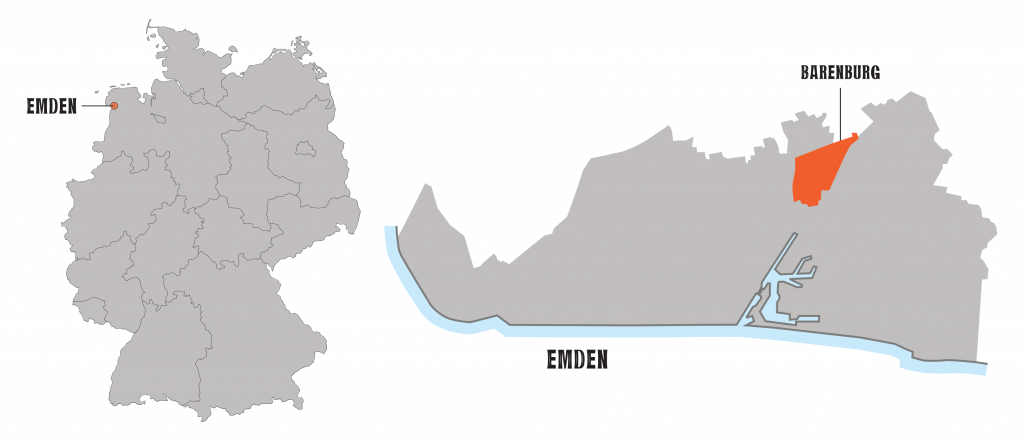
Barenburg is the second-biggest district of Emden, a city located in Lower Saxony, northwest Germany. According to the latest census, 7279 people lived in the zone in 2017, representing 14% of the city’s population. The district has faced a historical issue of social segregation, denoted by a lack of urban and economic development, insufficient housing, and social welfare. Although some of those problems have already been addressed through different programs by local and federal governments, the neighborhood still carries the stigma of underdevelopment, exclusion, and marginality. Its relationship with trash complicates this situation.
Spotting trash around
As part of a training activity on urban mapping, we conducted a short ethnographic exercise with a solid social work perspective. The exercise involved going to Barenburg twice and studying how trash affects the neighborhood’s social structures. In addition to participant observation, we interviewed some residents and documented our exploration by taking photos and tracking our paths digitally to later design cartographies or treasure maps. During our first visit, we spotted a lot of trash all around the streets. However, four weeks later, the situation had considerably improved once we went back.
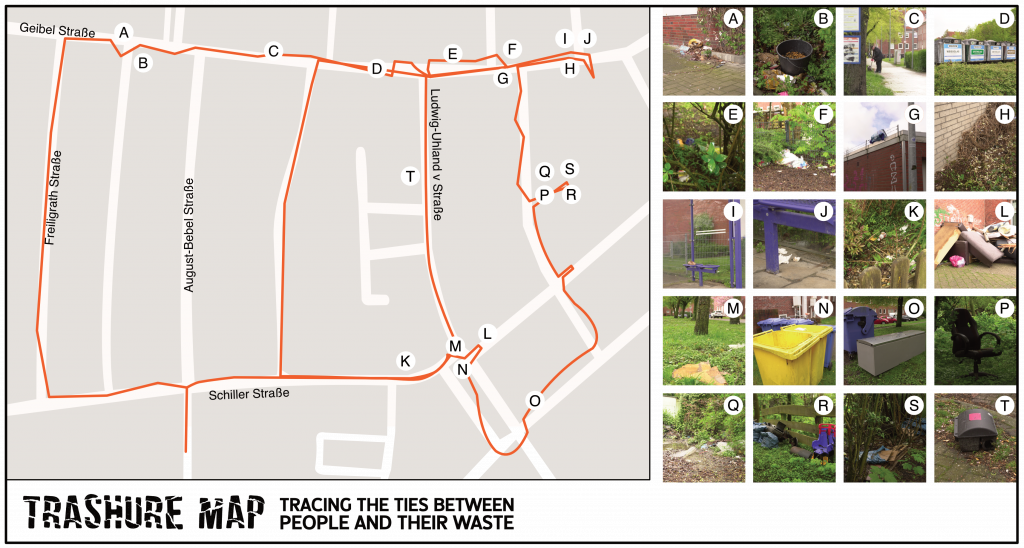
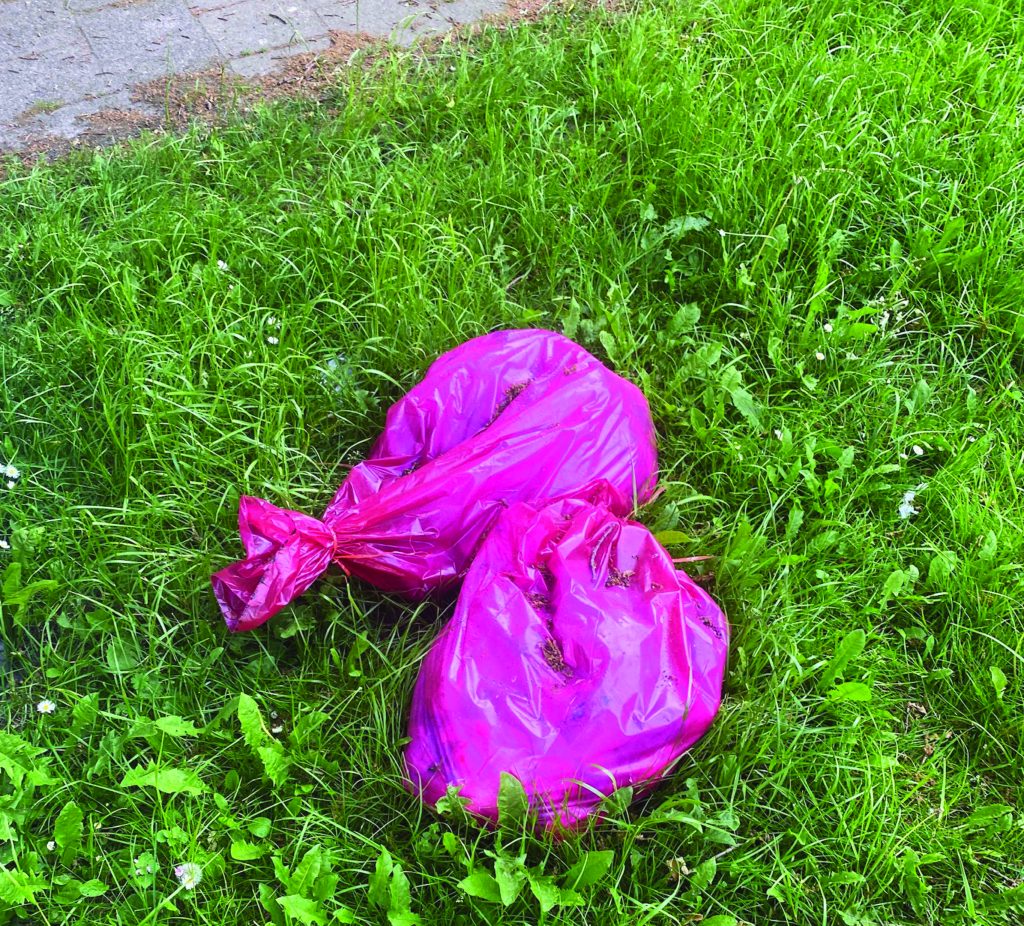
This “Trashure Map” shows an observation activity we conducted on the morning of Tuesday, the 16th of April 2024. The goal was to explore a part of the neighborhood and document the garbage we saw on the street and private properties. We found several piles and various types of trash, along with varying pollution levels, as seen in the related pictures. When we returned a few weeks later, much of the garbage had been removed, but other things had popped up in different places. Click on the image to expand it.
To better understand this, we interviewed Heidemarie Heyer, a social worker who has been active in the area since 2020, supporting residents in improving their community. The first thing Heyer did was to put it all in perspective. Although there is an issue with garbage management in the district, it is a common problem occurring in other sectors and cities. She recognizes the local government’s and residents’ efforts to better address waste, such as structuring a more functional trash-collection schedule, and, at the same time, she acknowledges some challenges that Barenburg must address collectively and individually to improve its relationship with trash.
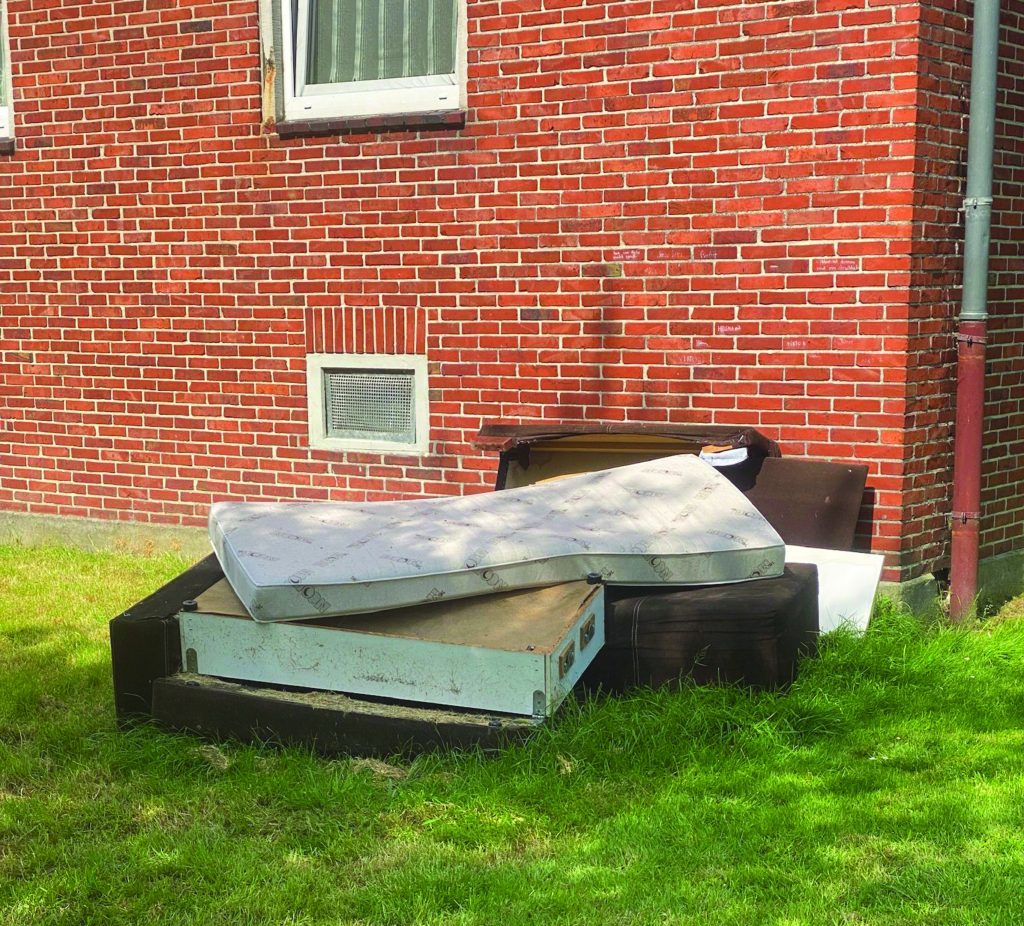
Waste management in Barenburg is a complex scenario due to the conjunction of several elements in a chain reaction. Most of the houses in the district are multifamily properties or small buildings with several tenants and sometimes different ways to dispose of their waste and manage their trash cans before and after garbage collection. For example, we have identified improper waste sorting, which causes garbage to go uncollected. Since nobody has taken out their trash, some residents dispose of it at illegal, improvised sites across different neighborhoods. Abandoned trash is often affected by wind and rain, causing it to spread throughout the region.
Dispersed garbage is not just an aesthetic issue. It may contribute to disease proliferation, attract rodents, and alter the feeding habits of local fauna such as crows and ravens. Additionally, based on our conversations with people from the area, inadequate waste management affects residents’ well-being, causing frustration and increasing the district’s stigmatization. However, we identified no odor from illegal trash pits or any conflict among neighbors regarding this topic.
Trash flash
In response to the waste management situation, the city has addressed this issue through the Müll-AG (Waste Working Group), part of the Soziale Stadt (Social City) program, a federal initiative for urban development support. Proposing a collaborative environment between community workers and Barenburg’s residents, the Müll-AG has been working closely with locals to identify their needs regarding waste management and respond to illegal dumping. Moreover, weekly cleanup efforts by neighbors, supported by the Barenburg network, foster community spirit and encourage volunteer work.
As social work students, beyond identifying the problem happening in this neighborhood, we also wanted to come up with possible imaginative solutions that would involve the community in a collective effort to learn together by proposing an educational game on how to sort and dispose of trash. An English version of this game is already available here.